
Many of us may experience ear shape issues that affect our self-confidence and make us feel closed off or dissatisfied with our appearance. This can affect our psyche.
At our center, We offer advanced cosmetic solutions through otoplasty to treat all ear defects accurately and effectively, and provide results that last for many years. To enhance the self-confidence and psychological well-being of our patients.
About Ear Correction Surgery
Otoplasty or otoplasty. Aim to change the shape and size of the ears, If they are protruding from the head, the plastic surgeon removes the excess cartilage from the ear and stabilizes the ears again with an ear clip.
Correction of a protruding ear (also known as pinnaplasty or otoplasty) is used to modify the shape or location of the protruding ear, and can be performed on adults using local anesthesia. However, general anesthesia is required in children.
As for the people who are eligible for otoplasty:
- Adult children with protruding ears.
- The size of the ear is not proportionate to the size of an adult’s head or a child’s head.
- The ears are asymmetrical.
- Loss of self-confidence. Increased psychological concerns due to the shape or size of the ear.
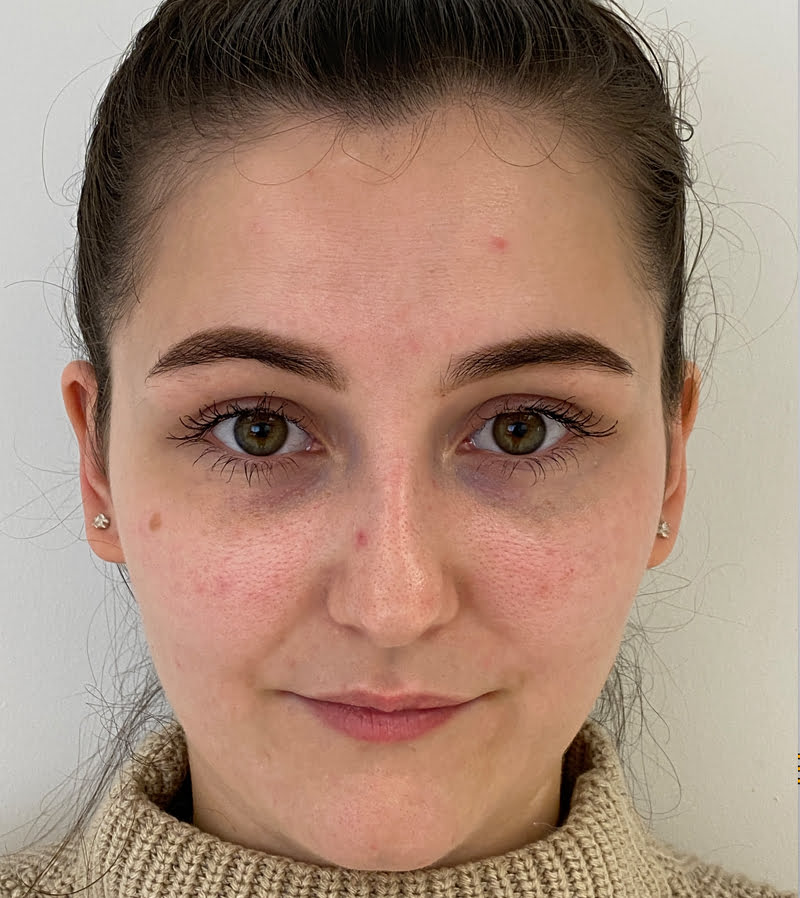
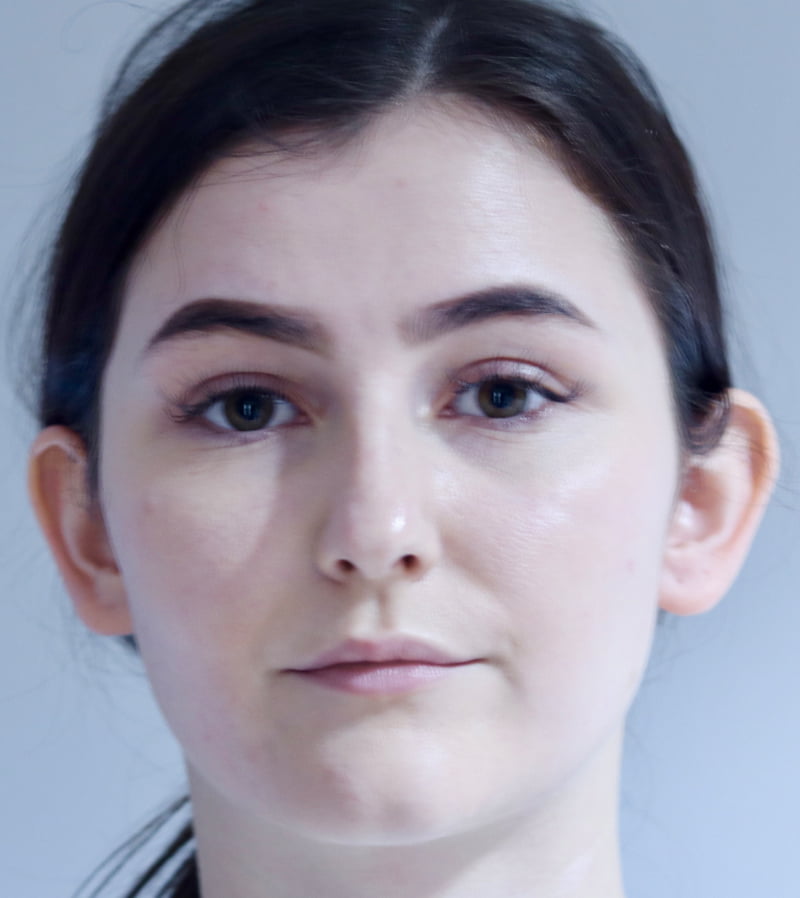
What happens during otoplasty surgery at the Dr. Ahmed Abdel Gawad Center?
Otoplasty surgery is usually performed under local anesthesia. This means that only your ears and the surrounding area will be numbed, meaning you will be awake throughout the procedure without feeling any pain. The steps of otoplasty surgery include:
Traditional Surgery
Traditional ear surgery performed by Dr. Ahmed Abdelgawad includes:
- Making a small incision behind the ear to expose the ear cartilage.
- Remove small amounts of cartilage if necessary.
- Reshape the ears or place them closer to the head and then sew them in place.
Traditional otoplasty usually takes one to two hours, and you’ll be able to go home the same day. Your surgeon may place a bandage around your head to help your ears heal in their new position as well as protect them from infection.
Earfold Treatment
The surgeon makes a small incision and inserts the clip or implant into the ear using a small special device. When the implant is in place and stabilized, it regains its natural curved shape. This returns the ear to the desired position.
Enjoy the benefits of otoplasty from Dr. Ahmed Abdel Gawad’s center?
Dr. Ahmed Abdel-Gawad has experience and excellence in the field of plastic surgery, as he has more than 20 years of experience, and he specializes in plastic surgery procedures for the face, ear and others, as for the benefits of otoplasty surgery from the center of Dr. Ahmed Abdel-Gawad, they include:
- Improving and reshaping the shape of the ear By correcting any existing deformities and making them more beautiful and symmetrical to the face.
- Otoplasty often aims to reduce the prominence of the ears and bring them closer to the head for a natural, less prominent appearance.
- By overcoming deformed ears. Otoplasty helps boost self-confidence and reduces the likelihood of bullying and harassment.
- Thanks to the inconspicuous surgical incisions that are commonly used in the procedure. Otoplasty minimizes visible scarring.
- Most clients return to their daily activities just a few days after the procedure.
- Long-lasting results make it possible to enjoy a symmetrical and attractive appearance for many years.
For more information about otoplasty, please contact us. You can contact us now and get a consultation on the right procedure to achieve the results that will change your life.